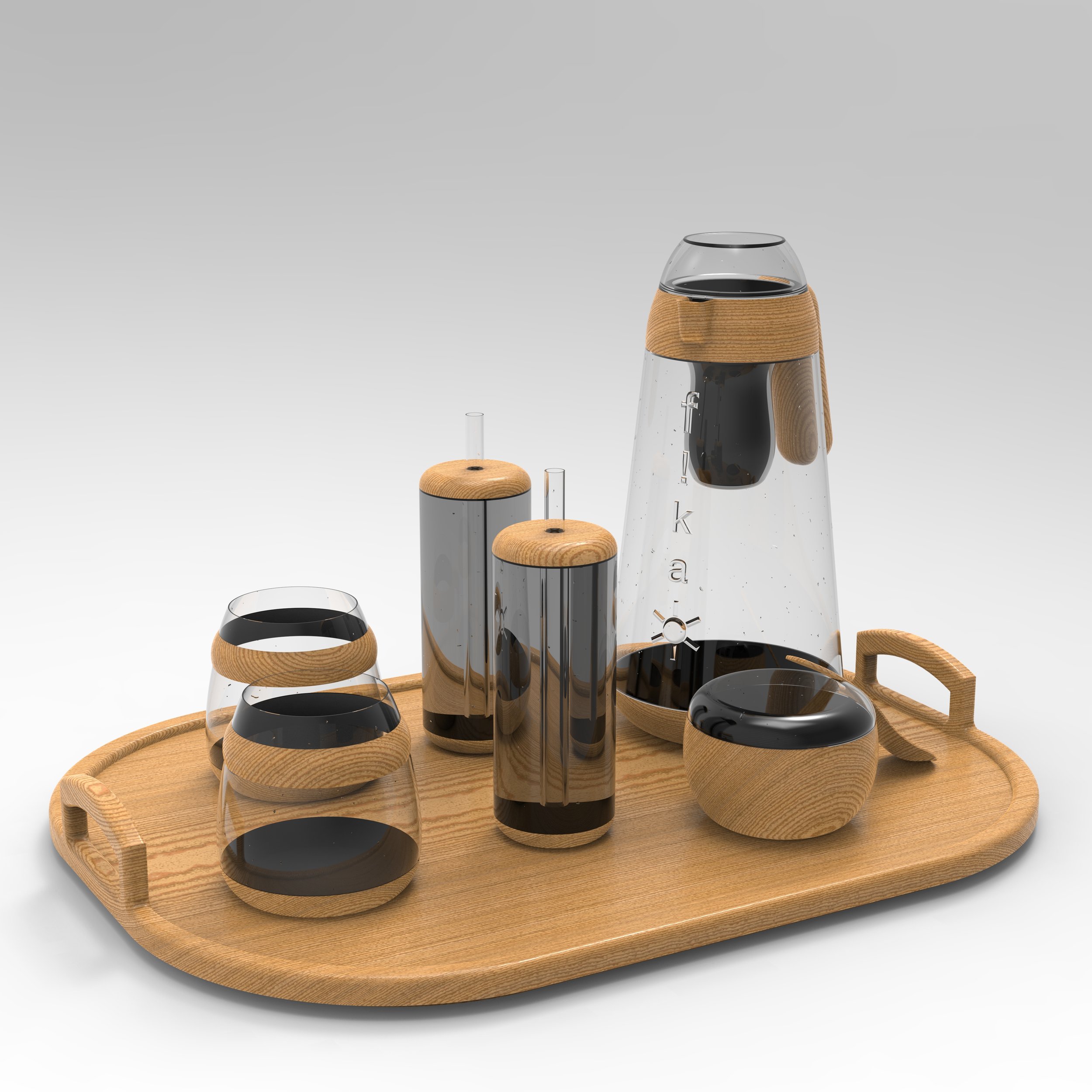
Fall 2023 | Skill Development
Design and Trend research, Sketching, Keyshot, Fusion CAD modeling, Prototyping, Modeling.
A Home Cold-Brew System inspired by Swedish Design Tradition with a turn toward modern coffee trends & ease of use for new fanatics.


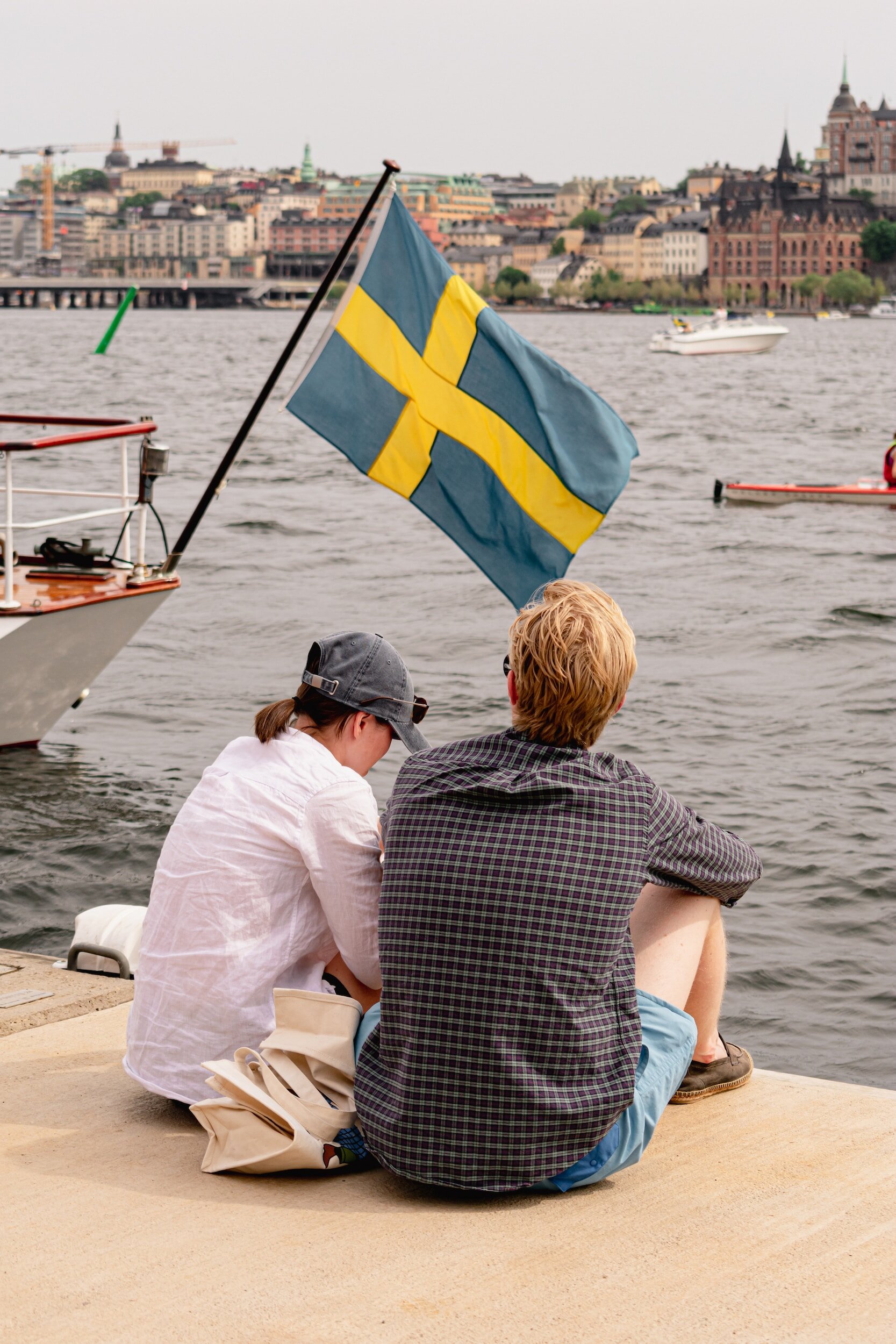
Why Sweden?
The Leading Country in Coffee Consumption Worldwide.
Coffee is a Swedish way of life. The Swede's even have a name for pausing and taking a break for coffee, 'fika'.

Scandinavian Design has a passion for Sustainability.
Their design reflects “Nordic” principals. This calls for a connection to nature and minimilism, inspiring the final materiality.
Swedish product designers prioritize ergonomics and user comfort.

A major focus for the FᴉkaBrew ☼ design became a goal for user-friendly products and easy handling for any past user or new cold brew coffee brewer around the world.
Analyzing the Task
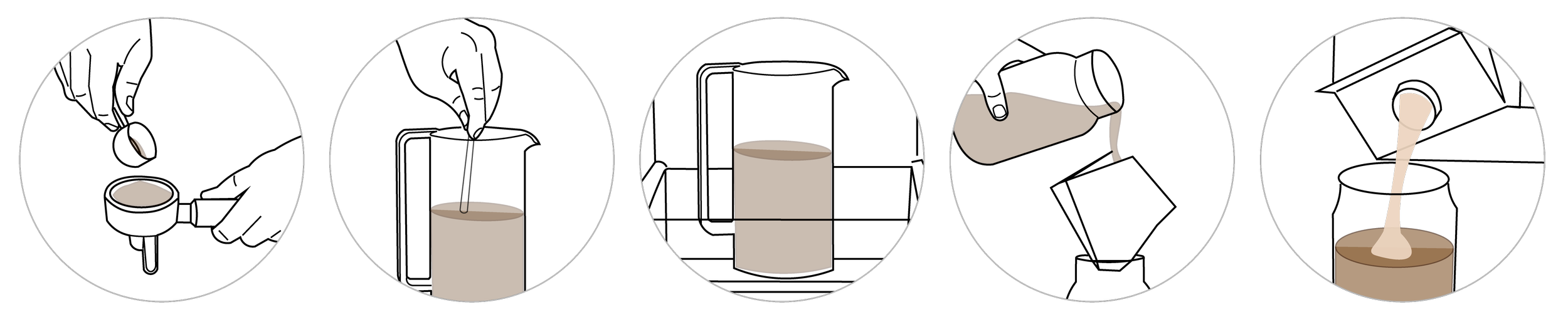
Step 1 | Measure
Description
finding the desired ratio, typically is 1 cup grounds to 4 cups water.
extra work goes in to purchasing pure grounds,measuring = more materials, can be off without good measuring tools.
stirring the ingredients to ensure full saturation.
Pain Points
time consuming to stir the grounds initially & without initial time to stir, the beans fall to the bottom.
Step 2 | Combine
seal brew container, place in fridge for at least 12-14 hours.
annoying to wait for the end resulttakes space within the fridge.
Step 3 | Steep
Step 4 | Filter
using a fine strainer lined with paper to separate the grounds from the brew.
more steps before getting the resultsmore materials are required and more dishes to clean
Step 5 | Enjoy
commonly mixing with milk, sweetener, and adding ice to enjoy!
How might we make this process cleaner, easier, and more visually appealing when sitting in the refrigerator for the 12-24 hour steeping process?
Consumer Target
Freja Ann
42 year old woman living in Stockholm, been drinking cold brew coffee for years before the fad went global. She has always found the process of filtering her coffee messy and difficult. She needs a product that it makes this regular task easier.

Thomas
33 year old english coffee shop goer in Manchester, enjoys ordering cold brew coffee, however he wants to try making it on his own. He is looking for a set that has all the components he needs to start making coffee at home.

Hannah
An avid 22 year old coffee lover from Seattle, enjoys all types of coffee and follows along with hot social media trends. She wants to expand her horizons and try the at home cold brew coffee trend she keeps seeing on Instagram.

Brand Solution

Minimal | Organic | Functional
Studying Swedish and nordic design principals. Looking at international brands like IKEA, Volvo, H&M, and Ericsson which have become synonymous with design and innovation. Looking into shapes and materials that embrace the functional minimalism design style.
Ideation and Prototyping

Phase 1


Finding out which handles were successful and which pieces needed to be scaled down or up for the final model.


Phase 2
Moving into volume prototypes, discovering the overall form and seeing what works best aesthetically
Ergonomic Testing

Pour Test
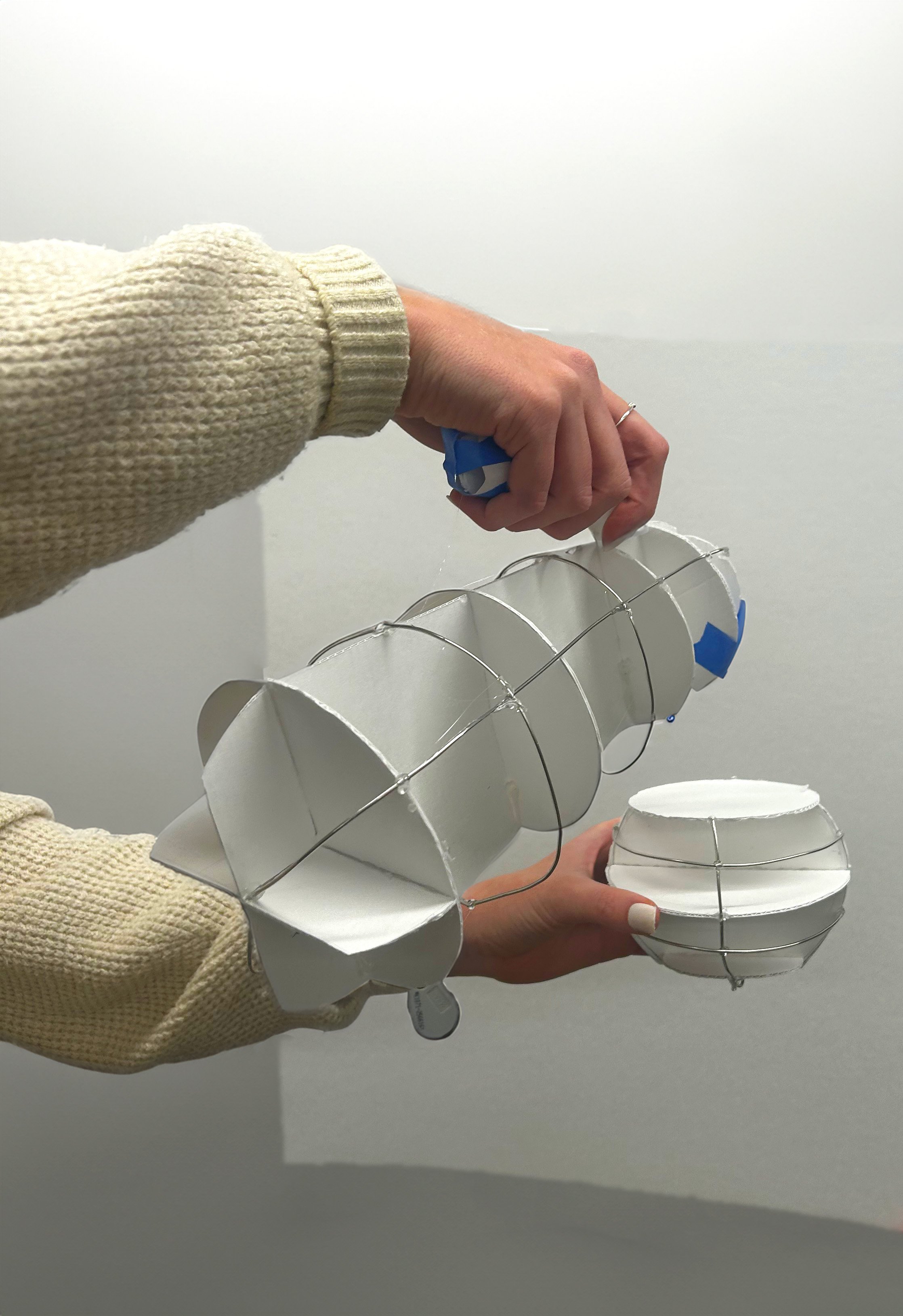
The angled handle was working as planned. Peer and personal input tested that the brewer could be poured with ease and comfort.
& Scaling
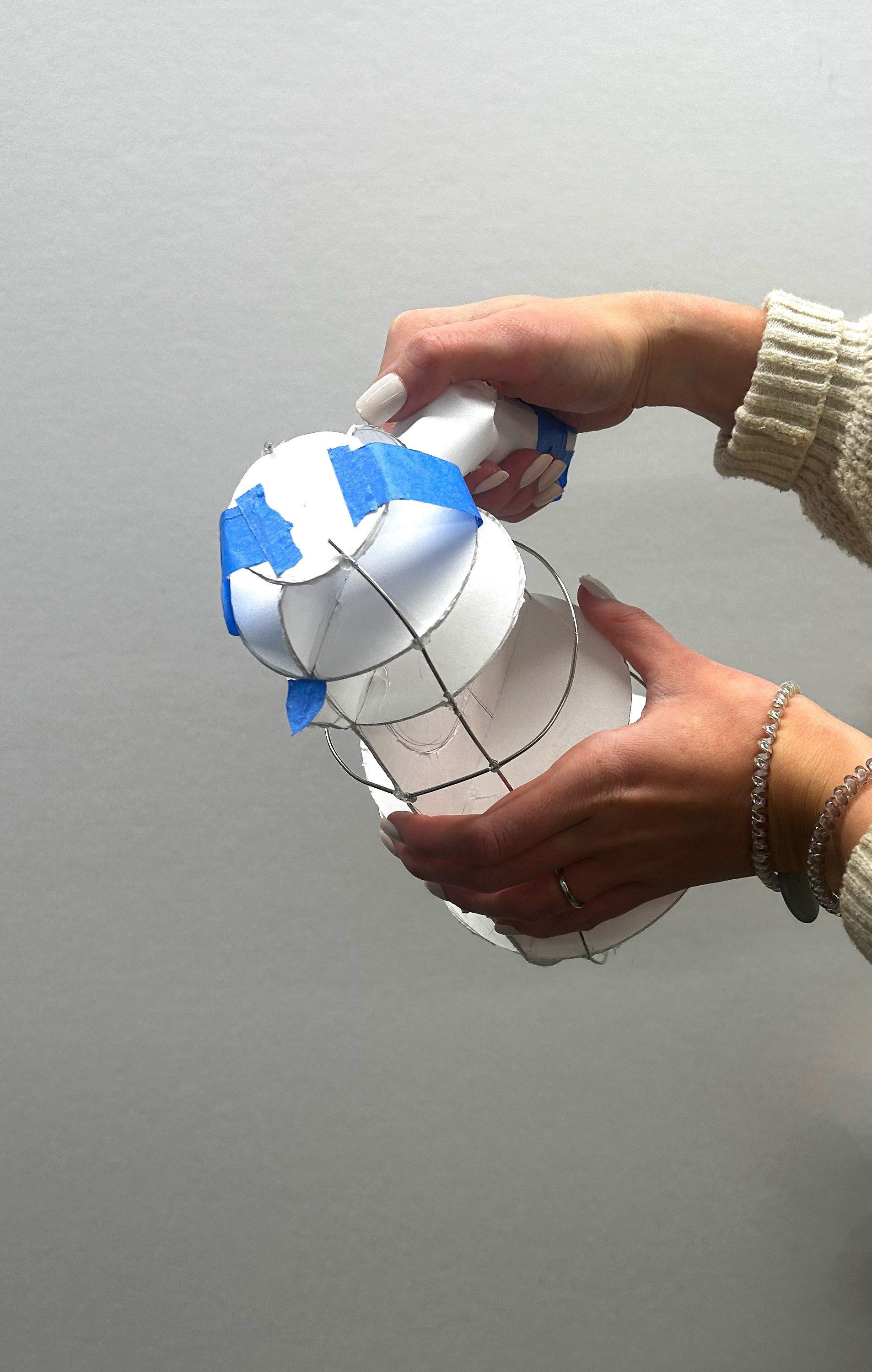
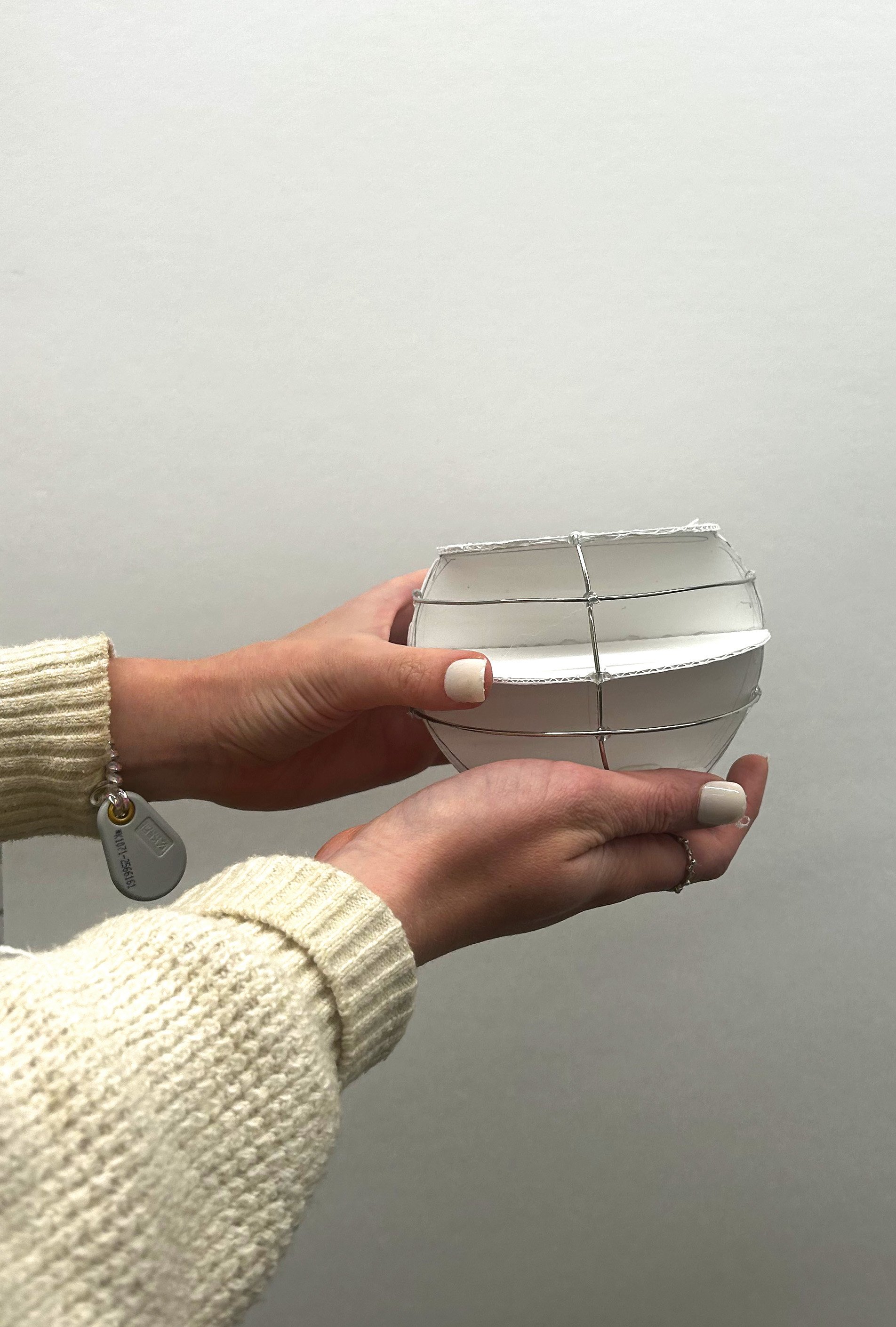
The tall glass fit well in the hand, however could be upscaled. The small round mug proved to be too large for handling, prompting scaling down or adding handles/coaster.

Material Development
Double Lined Glass
Glass excels has a strong chemical resistance almost all liquids. Glass also aligns with the Nordic design values, creating a feeling of airiness and connection to nature making it commonly used in Scandinavian design.
Oak Wood Grain.
Wood also supports design traditions of Scandinavia. With the complex curves in this design, WPCS were chosen. Mold wood-plastic composites (WPCs) come with a significantly lower carbon footprint than petroleum-based materials, adhering to Swedish sustainable design practices.


Final Physical Modeling Process.

Printing & Priming
Building in Fusion 360, printing 3D pieces, & priming each with sand-able primer to fill imperfections before doing each sand grit rise, repeating four times.
Sanding & Priming
Sanding starting from 120 and working up to 1000 grit. Priming in between every couple hundred grit rises. Using glazing spot putty on rough surfaces to be sanded down in process.




Final Paint & Prime
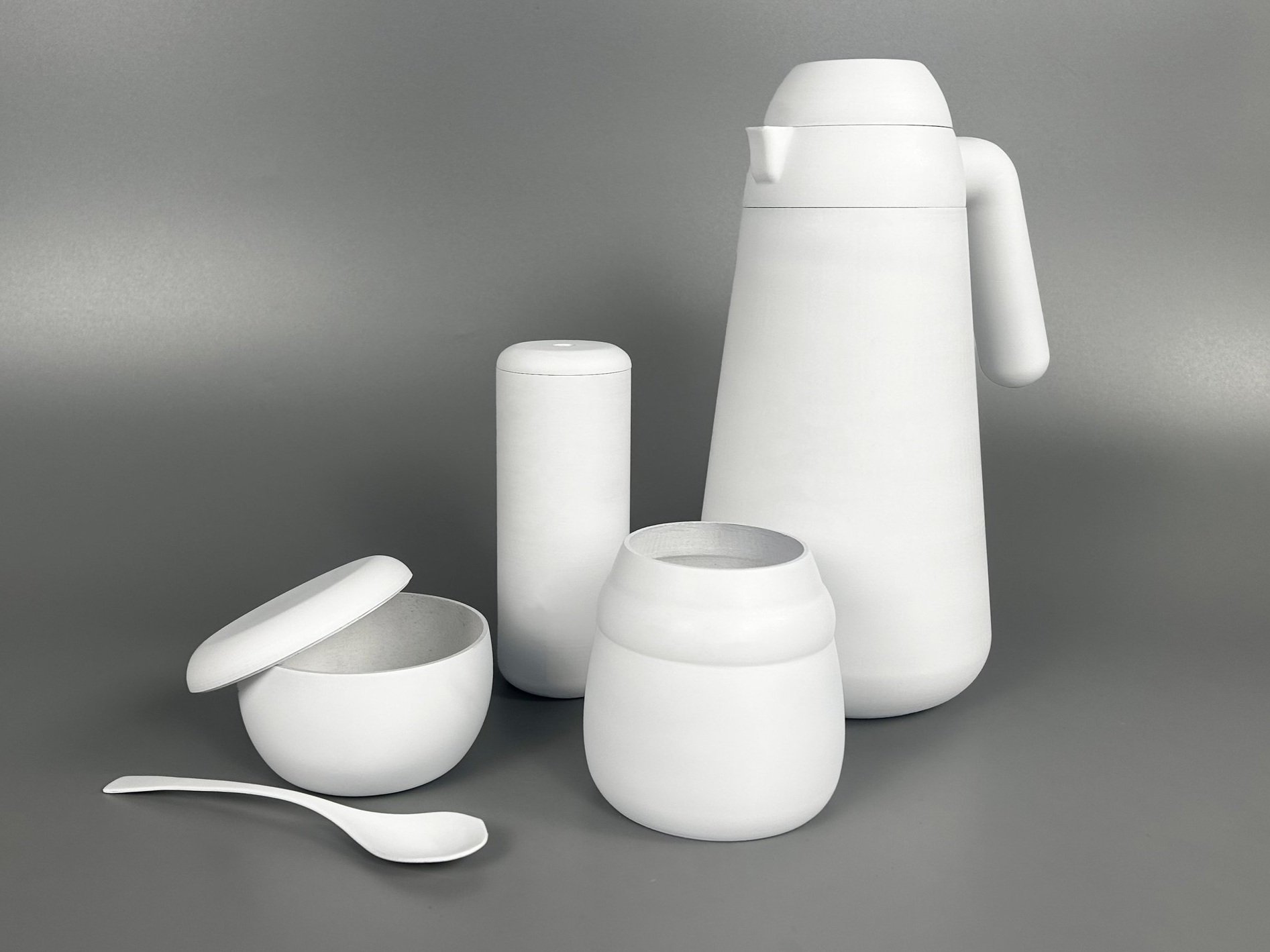
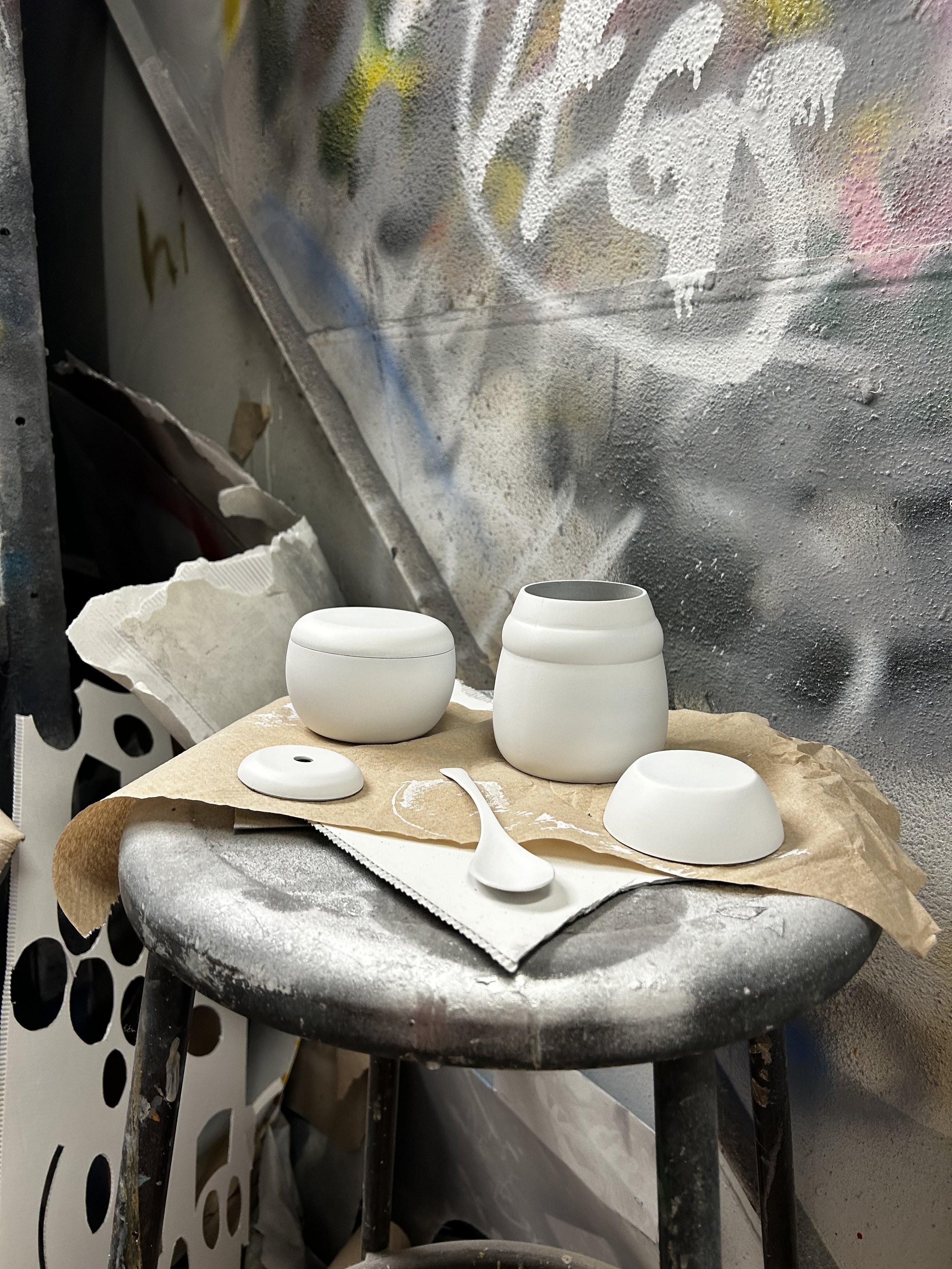
Finally using 2 coats of ultra white matte paint for the final clean and smooth model and sanding with 1200 grit in between the two layers.